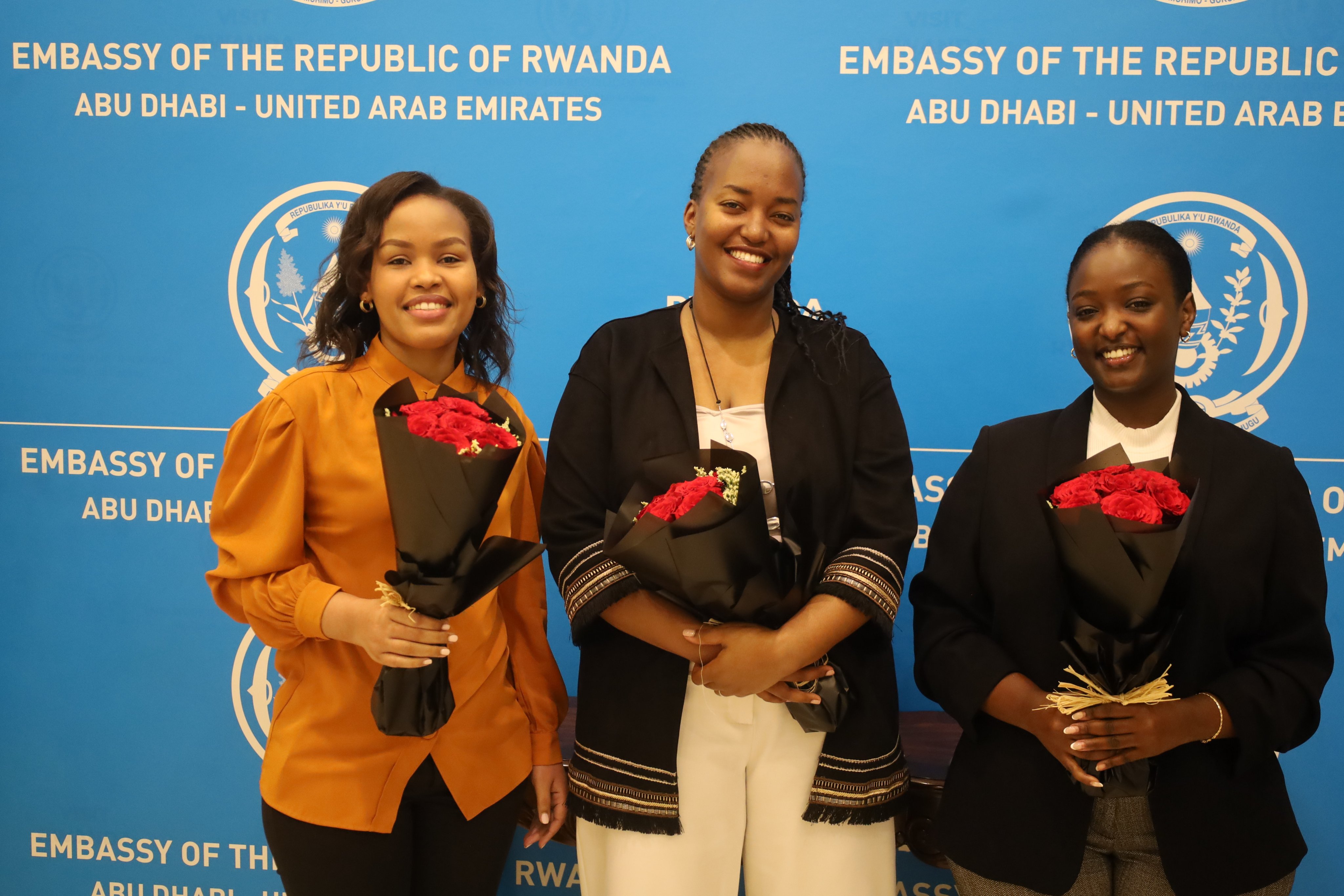
Gender equality, Rwanda and UAE shared value- Ambassador Hategeka
On 8th March 2023, Rwanda joined the United Arab Emirates and the rest of the world in spotlighting the remarkable progress in gender equality as the global community marks the International Women’s Day.
The celebration came at a time when gender equality continues to gain momentum in the two friendly countries. Women in Parliament 2022 Report by the Inter-Parliamentary Union ranks Rwanda and the UAE among the world’s six countries with gender parity in their lower or single house as of 1 January 2023.
Reflecting on Women’s Day, H.E Emmanuel Hategeka, Ambassador of the Republic of Rwanda to the UAE said.
“Rwanda and UAE share commitment to gender equality and our two countries continue to be gender champions in their respective regions and globally as indicated in the Inter-Parliamentary Union 2022 report. Gender equality is enshrined in the longstanding vision of our two countries and is backed by good leadership. This International Women’s Day is a reminder that gender equality is a fundamental right and a backbone to just and inclusive development.”
Rwanda and the UAE have unleashed women potentials through strong policies and regulatory frameworks. Rwanda’s constitution provides a requirement of a minimum quota of at least 30% of women in decision-making institutions. Currently, Rwanda is ranked the first country globally to have the highest women representation in Parliament at 61.3%.
On the other side, the UAE Presidential directive providing that Emirati women must occupy 50% of the Federal National Council’s (Parliament) seats is a testament to UAE’s commendable commitment to gender equality.
In October 2022, parliamentarians from around the world adopted the Kigali Declaration Gender equality and gender-sensitive parliaments as drivers of change for a more resilient and peaceful world at the end of the 145th IPU Assembly in Kigali, Rwanda.
In Rwanda and elsewhere in the world, promoting and sustaining gender equality and equity is a continuous journey. There are some stereotypes and biases that need to be uprooted.
“Despite all the achievements towards gender equality, we still have common stereotypes and gender biases at the workplace, jobs and gender-based career orientation biases, behavioural biases that need to be eliminated right from the family level, at the national and global levels,” Ambassador Emmanuel Hategeka concluded.

Rwandans, Friends of Rwanda in UAE Mark Liberation Day
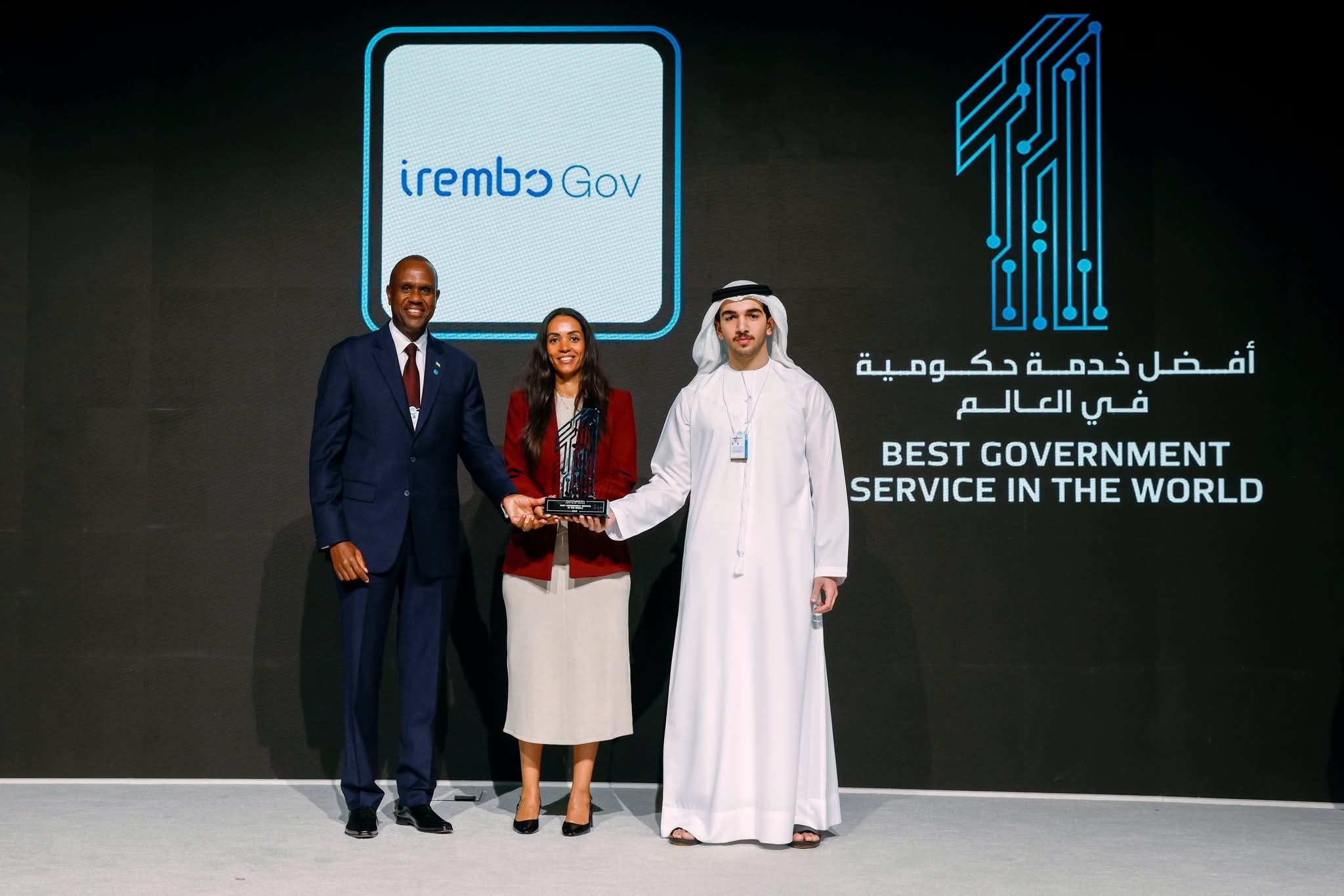
Rwanda Wins Best Government Service in the World Award in Dubai
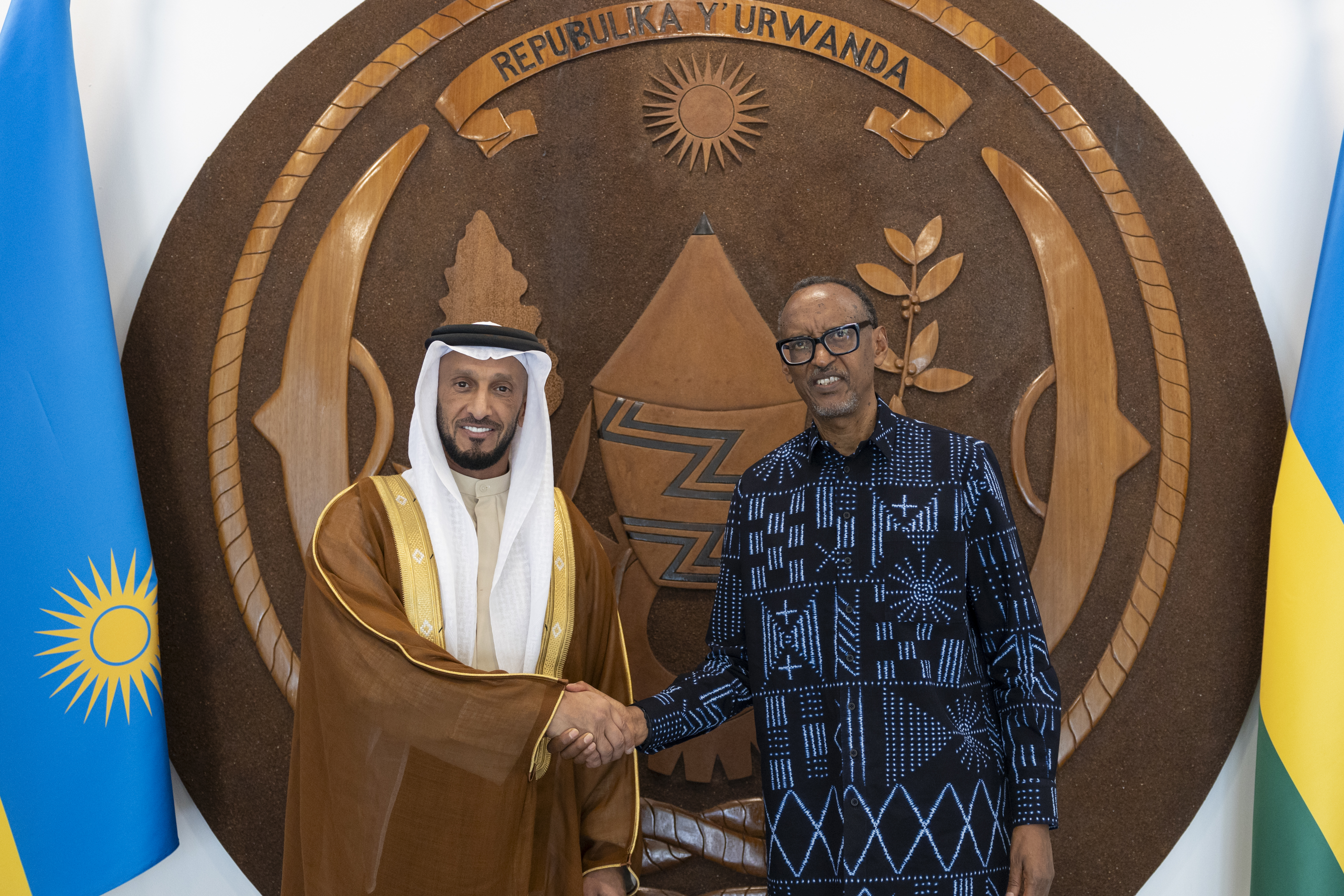
President Kagame receives Sheikh Abdulla Al Hamed
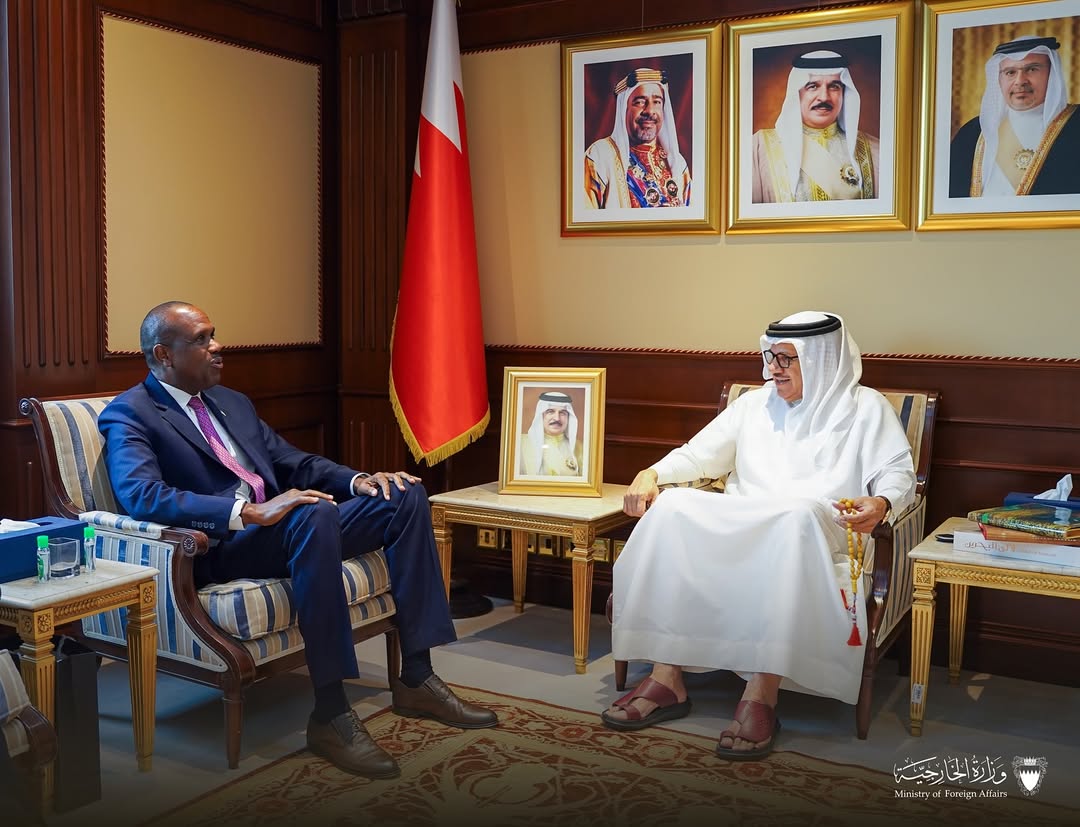
Ambassador Mirenge meets with Bahrain’s Foreign Minister
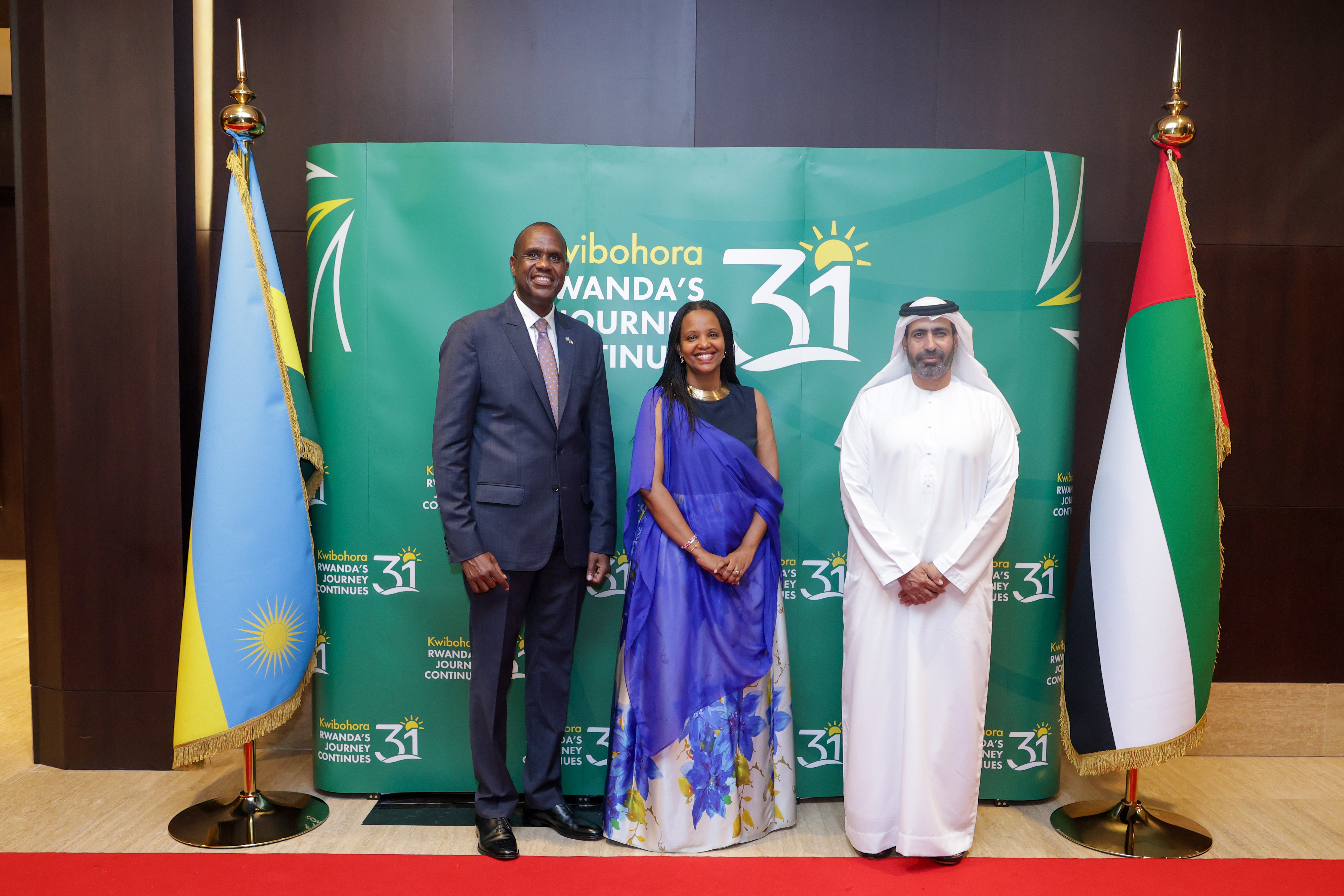
Rwandans, Friends of Rwanda in UAE celebrate Liberation Day
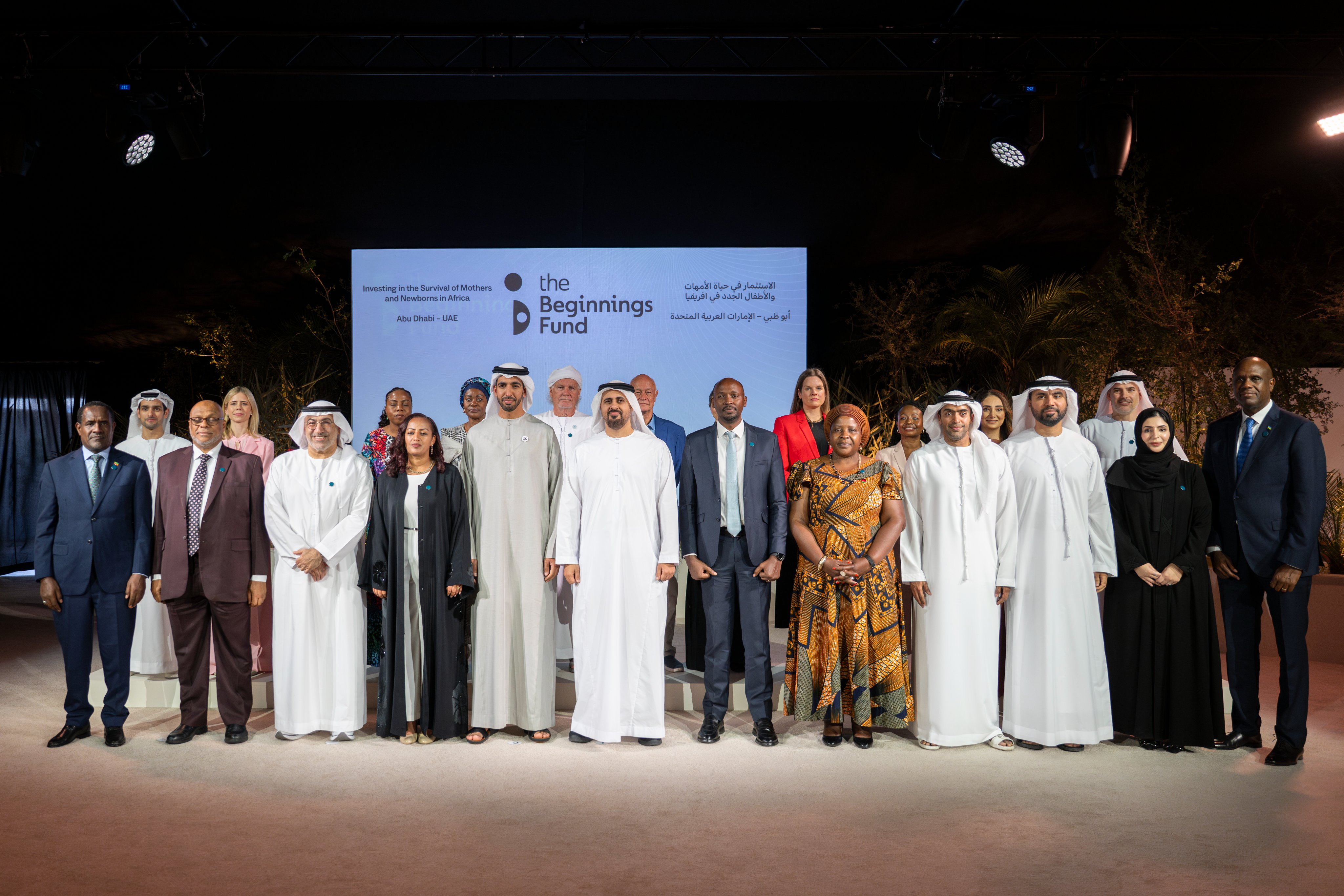
Rwanda to benefit from the Beginnings Fund launched in the UAE
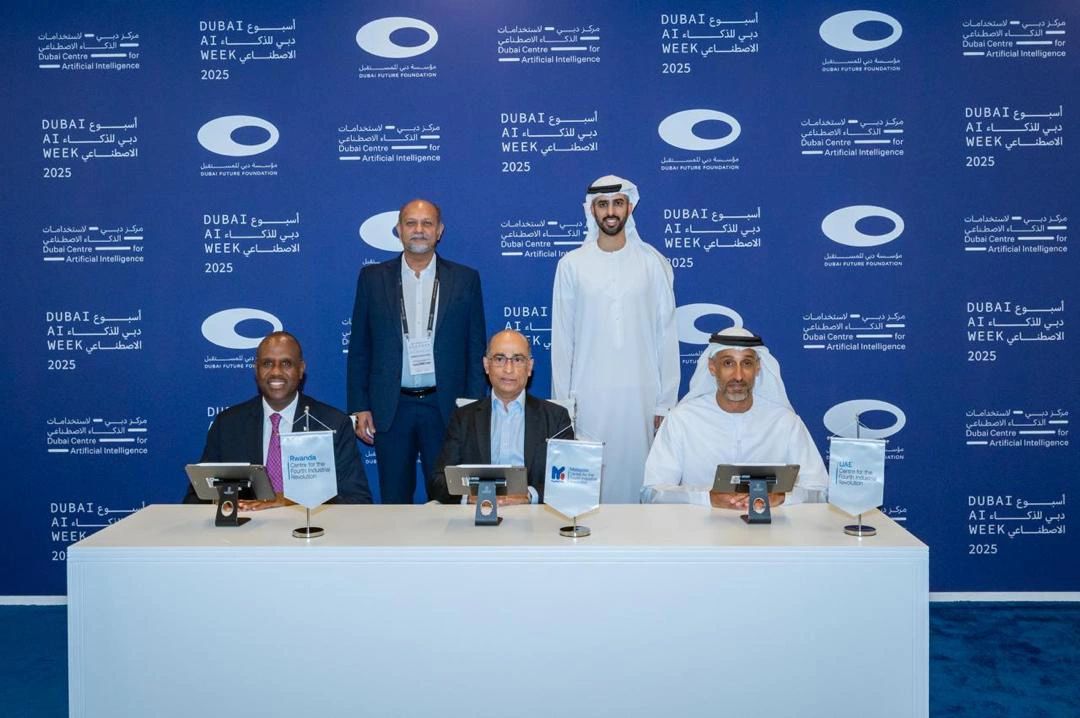
Rwanda, UAE and Malaysia Centres for the Fourth Industrial Revolution sign a tripartite MOU
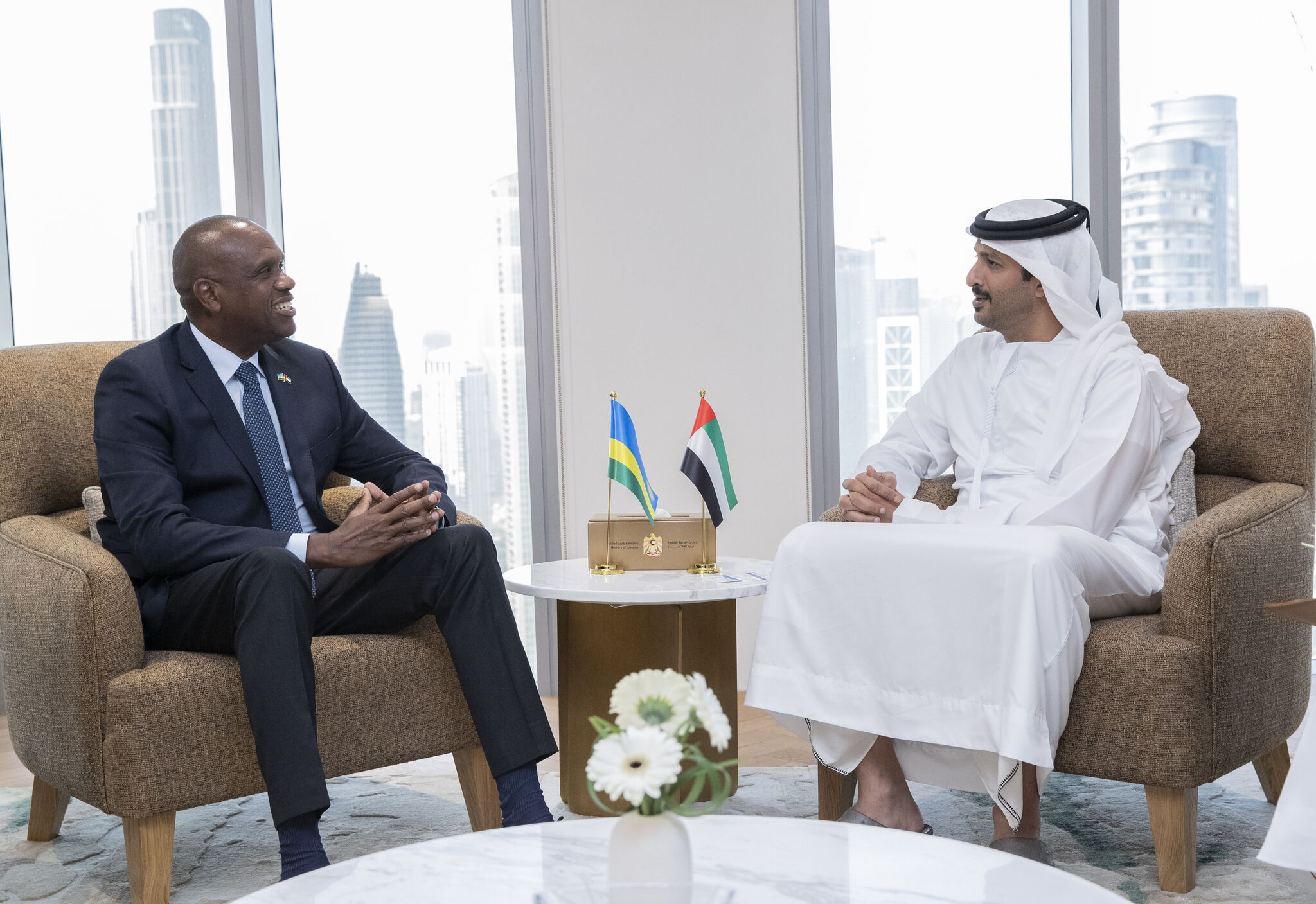
Ambassador John Mirenge meets with the UAE Minister of Economy