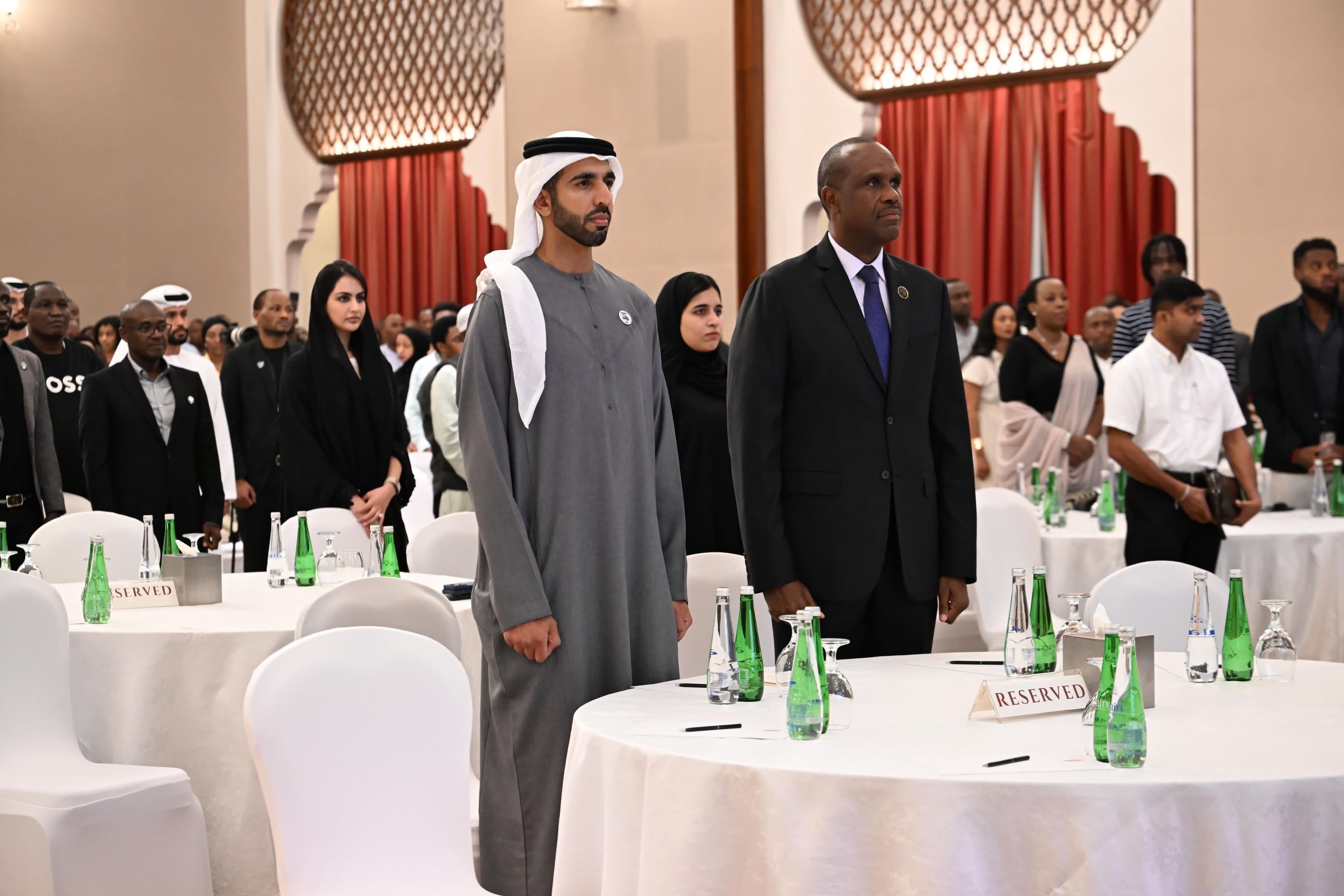
Remarkable turnaround as Rwanda celebrates 27 years post Liberation
Rwandans and friends of Rwanda celebrated Rwanda’s Liberation Day on Sunday July 4. The 27th anniversary of the liberation of Rwanda is marked under the theme "Together we prosper".
Celebrations of the Liberation Day continue around the world during the month of July. On 9 July 2021, the Embassy of the Republic of Rwanda in UAE hosted a Virtual Youth Forum for Rwandan Youth in UAE, Saudi Arabia and Bahrain in celebration of the 27th Liberation Day with the theme “The Role of the Youth in building the Rwanda we want – post the Liberation struggle”.
The Liberation (Kwibohora) marked annually on 4 July reminds us of the landmark victory of freedom fighters motivated by unconditional love for their homeland and her people’s emancipation, a force of brave young men and women led by H.E Paul Kagame that on 4 July 1994 stopped the genocide against the Tutsi and embarked on the daunting task of rebuilding a shattered nation. “Kwibohora” is the ultimate result of the armed liberation struggle that started on 1 October 1990 by mainly young Rwandans, whose parents had been forced into exile periodically since 1959.
For more than 30 years, part of the population, in particular the Tutsi, was forced into exile and refused the right to return home while Tutsi that remained inside the country were persecuted, killed systematically, segregated and in political and socio- economic exclusion. July 04, 1994 is therefore an important day that all the Rwandan people celebrate because it marks the end of the 1994 genocide perpetrated against the Tutsi in which more than a million innocent lives were slain over a period of 100 days. It is also a date to reflect and pay tribute to the patriots who defied all odds and sacrificed themselves to stop the genocide perpetrated against the Tutsi in 1994 and freed the country from the genocidal regime and all chains of hate and divisionism.
Decades of bad politics and horrors of the genocide against the Tutsi blighted the socioeconomic and political fabric of the country and left a failed state hanging in doubts of the ability to rise and stand. Post Liberation, thanks to the visionary leadership under President Paul Kagame, Rwanda has risen from the ashes with a remarkable turnaround built on wise choices of unity, accountability and thinking big in delivering people centred development.
In addressing the plight of a society gripped by trauma, the Government of National Unity was steadfast in instituting and implementing policies that nurtured justice, unity and reconciliation. Not the winner takes it all! In the aftermath of the 1994 genocide against the Tutsi, over 20,000 officers and personnel of the former army were integrated in national armed forces and over 3.5 million refugees were repatriated, resettled and reintegrated successfully, the 2016 National Unity and Reconciliation Commission report on unity and reconciliation process highlights.
Restorative and reconciliatory justice has worked! Genocide related cases that would take a century in courts, were investigated and tried in a single decade. Homegrown traditional Gacaca courts were reinstated and tried almost two million cases in only ten years, according to the 2012 National Service for Gacaca Courts.
Economically, according to the World Bank, Rwanda is one of the ten African countries that have consistently enjoyed rapid growth (averaging 8%), and the second country in Africa where it is easiest to do business, where investors only need six hours to set up a business.
The economy has grown remarkably with the GDP rising 14-fold between 1994 and 2019 while the GDP per capita increased seven-fold over the same period.
Thanks to openness and ease of doing business, many of the most famous companies have settled in Rwanda, including Volkswagen whose factory produces vehicles assembled in Rwanda, DP World from UAE that launched in 2019 a $35m inland dry port/ cargo handling facility in Kigali, Unilver, Maraphones, regional and continental banks, insurance companies, pharmaceutical companies and others.
The Government has restored security of people and property. Rwanda is safe and secure and Rwandans no longer need special permits to move around within their own country as it was before 1994. Rwanda ranks the safest country in Africa and 5th safest country to walk at night worldwide.
The wellbeing of people has tremendously increased thanks to inclusive and transformational good policies. 81.3 percent of the Rwandan population is food secure. Rwandans with access to electricity accounted for less than 1% in 1994 rising to 61.5% in March 2021 while access to water is currently close to 90%.
Thanks to a social protection policy, the country has extended so many strategic development programs for its population. Throughout 27 years of liberation, a population of over 80 villages has been moved to model villages which include modern apartments and school infrastructure, a modern early childhood development centre (ECD), a health post and sports facilities, among others.
More than 90% of Rwandans are currently covered with universal health insurance. Health facilities are more accessible including the use of technology such as drones that deliver life-saving blood and other materials to remote health facilities. Life expectancy almost tripled from around 28 years in 1994 according to the World Bank to 67.8 years in 2020.
Rwanda’s politics of inclusion also focused on gender parity. Rwanda remains the world’s leading country with the highest number of women in legislative positions, according to the latest edition of the ‘Women in Parliament’ report by the Inter-Parliamentary Union. Besides the 61 per cent of the country’s parliamentary seats being occupied by women, the report also ranked Rwanda as the sixth country with women holding 50 per cent or more ministerial positions in cabinet.
Rwanda’s education has significantly improved. A free universal 12-year basic education is offered to all children without any discrimination. Today the country has over 40 tertiary institutions accommodating over 86,000 students from a single university back in 1994 graduating less than 2000 students annually. Rwanda hosts and finances international universities like Carnegie Mellon University -Africa campus and many other higher learning education institutions in the fields of ICT, Mathematics, sciences open to all Africans and people of all nationalities. With visa on arrival to all nationalities, Rwanda is open to the world.
Rwanda is now clean, green, least corrupt and a safe country for everyone, easiest place to do business in Africa, a liberal open economy and an emerging hub for IT, MICE and financial services.
Regarding the regional, continental and international role, Rwanda is an active member country of more than 200 international organizations. Because Rwanda understands the cost of insecurity and instability, it is a top UN peacekeeping troop contributor country. Rwanda has been a key player at the continental level in the reform process of the African Union to facilitate the AU to orient itself towards its Agenda 2063 including the African Continental Free Trade Area agreement, signed on March 21, 2018, during the 10th Extraordinary Summit of the African Union that took place in Kigali, Rwanda.
As the country now faces the COVID19 pandemic like the rest of the World, His Excellency President Paul Kagame has been at the forefront of advocating for vaccine equity and localization of vaccine production in Africa. The country has deployed all possible means to contain the pandemic while supporting the economic recovery rolling out an economic Recovery Fund projected to RwF 350 billion by end 2021.
Looking back, the genocide against the Tutsi was stopped, Rwandans set free 27 years ago and the new leadership embarked on the struggle to return the country to normalcy, bring back unity, security and safety of people and their property, restore their right to live, to education, to health and to shared prosperity. Indeed, Rwanda has achieved a lot but a lot remains to be done too as President Paul Kagame underscored at the 25th Liberation Day: “The logic of liberation is to turn bad things into good things. What Rwandans have achieved is undeniably real. But we must stay humble enough to know that our main challenge is sustainability.”
Young and brave liberation struggle fighters who gave their all for the Rwanda we see today inspire the new generation to serve the country without reservation. The youth today are called upon to embrace the values of sacrifice, integrity, courage and determination to carry on the legacy of the liberation struggle.
The Embassy of the Republic of Rwanda in UAE wishes a Happy 27th Liberation Day to all Rwandans and friends of Rwanda wherever they are!
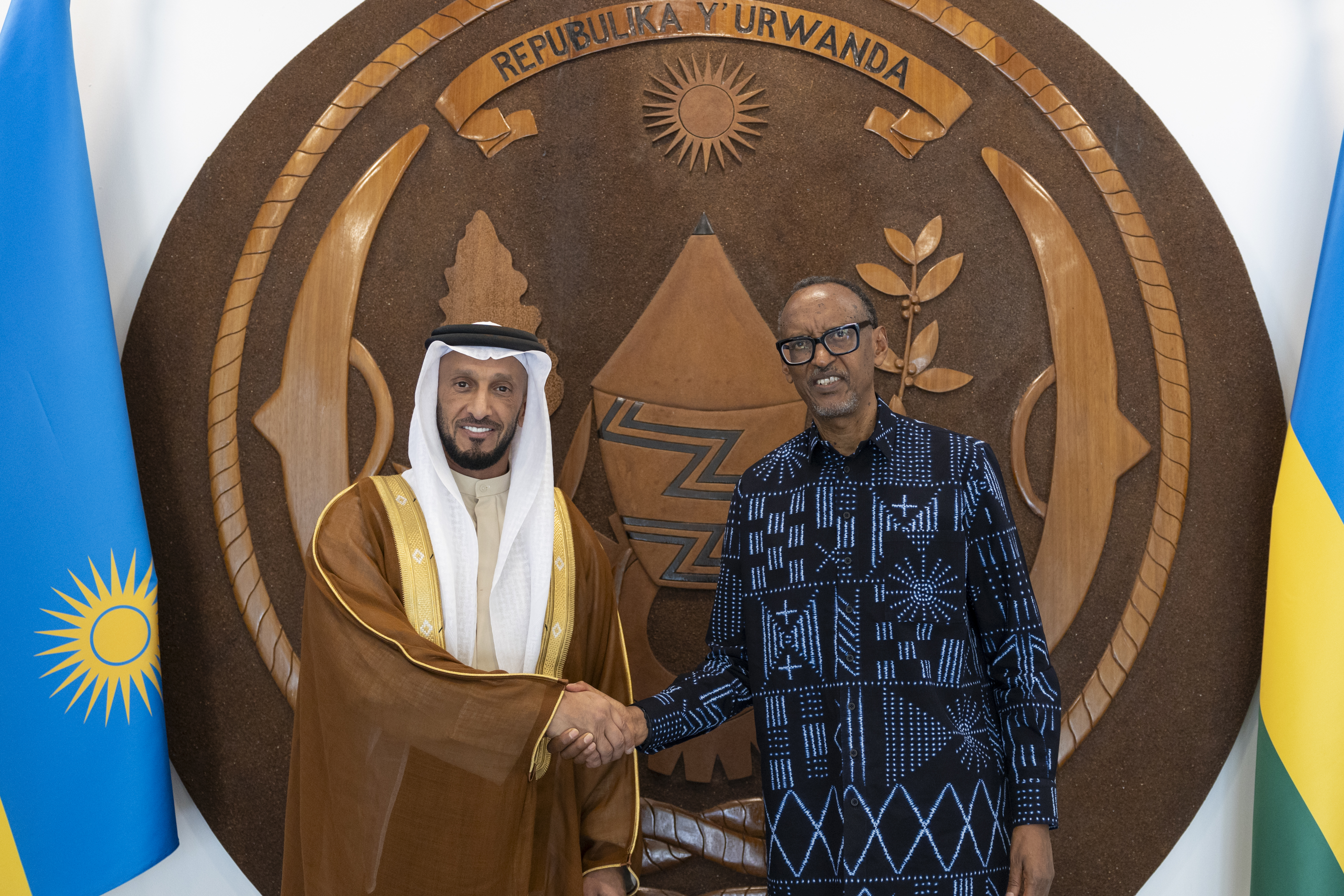
President Kagame receives Sheikh Abdulla Al Hamed
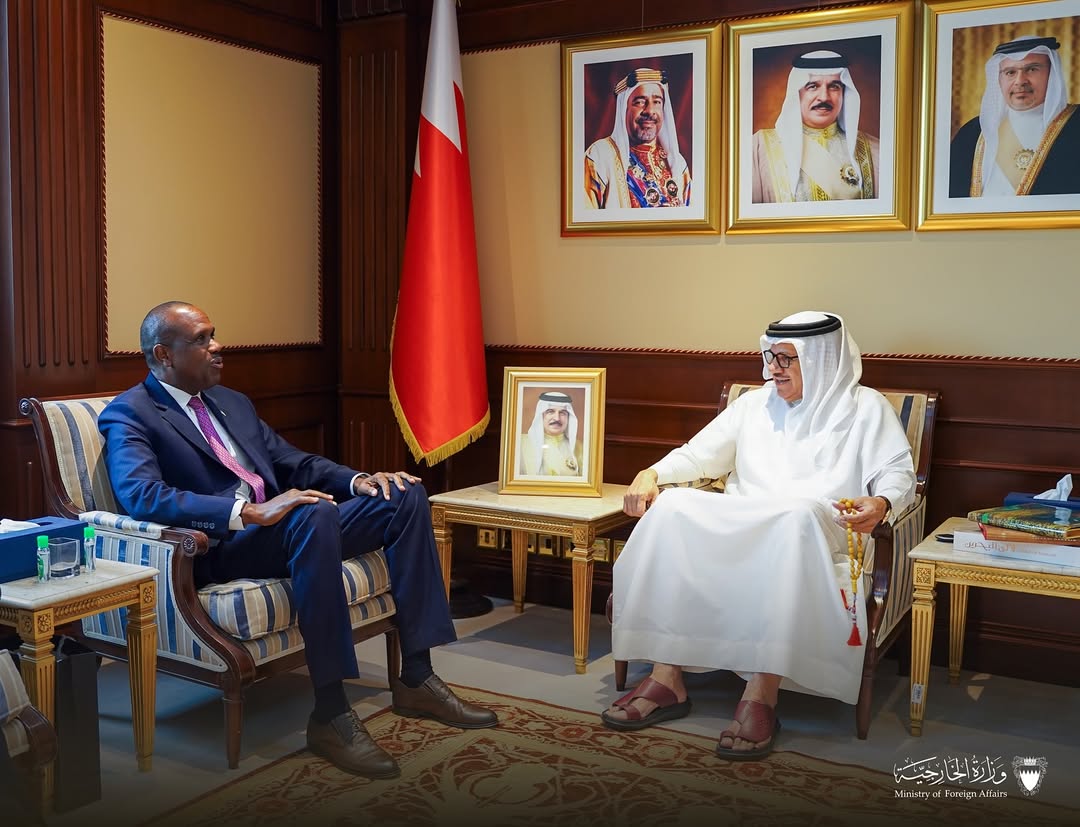
Ambassador Mirenge meets with Bahrain’s Foreign Minister
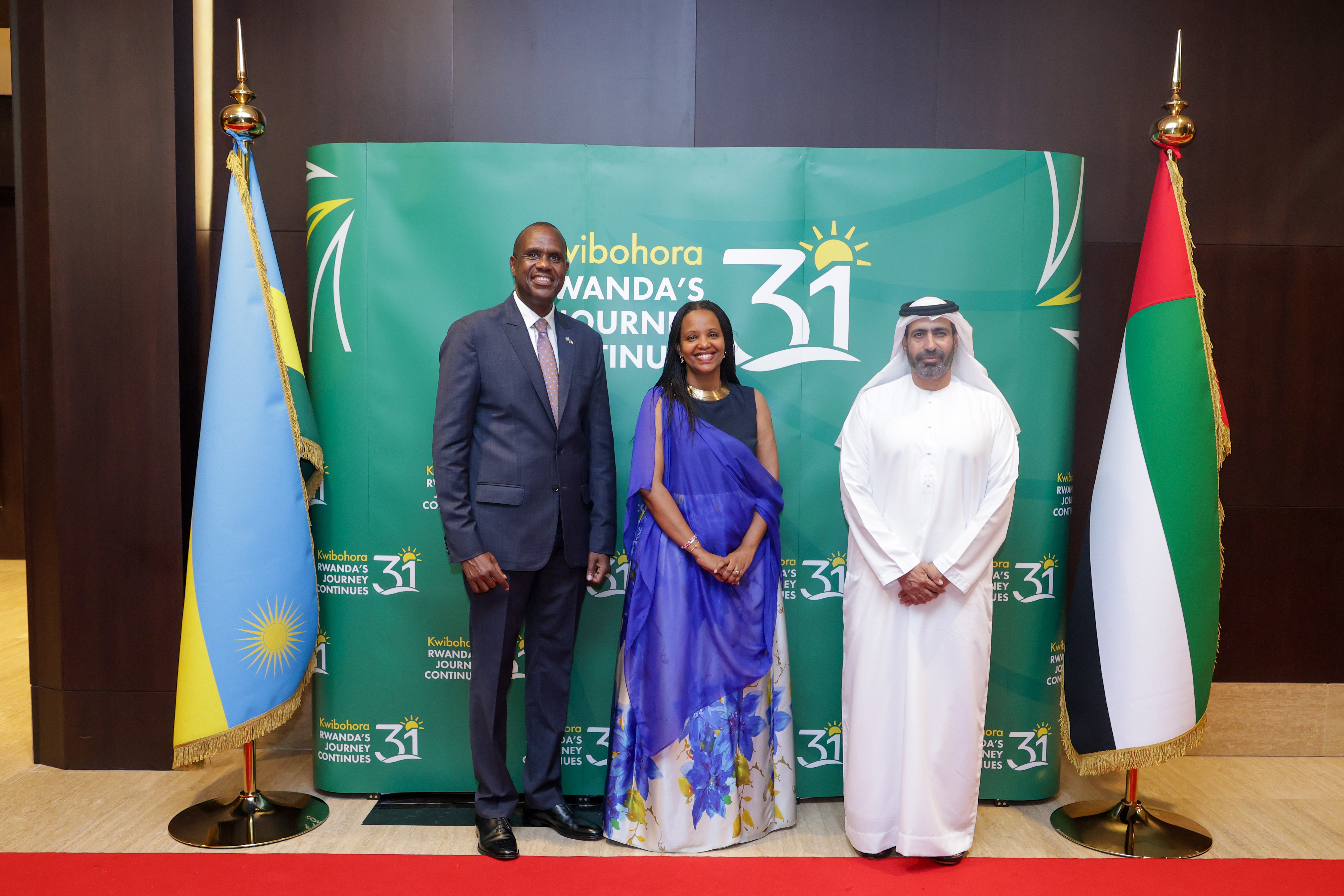
Rwandans, Friends of Rwanda in UAE celebrate Liberation Day
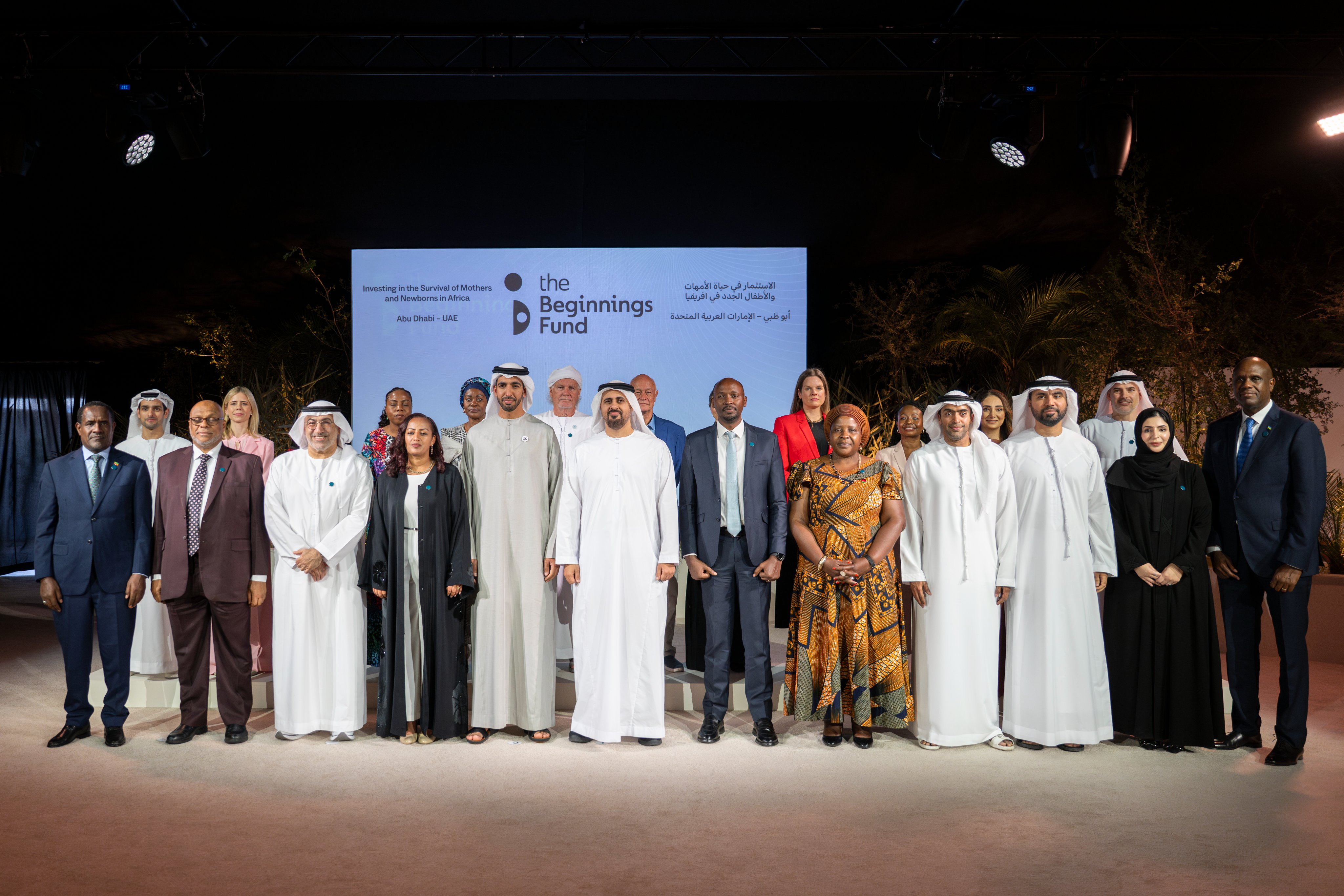
Rwanda to benefit from the Beginnings Fund launched in the UAE
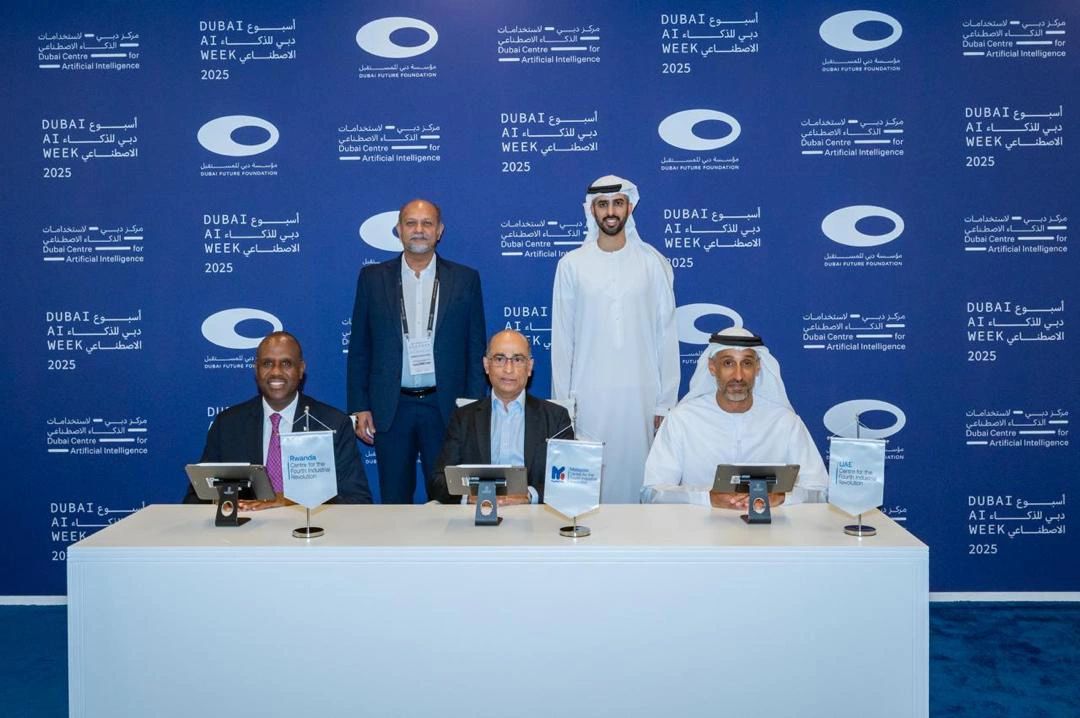
Rwanda, UAE and Malaysia Centres for the Fourth Industrial Revolution sign a tripartite MOU
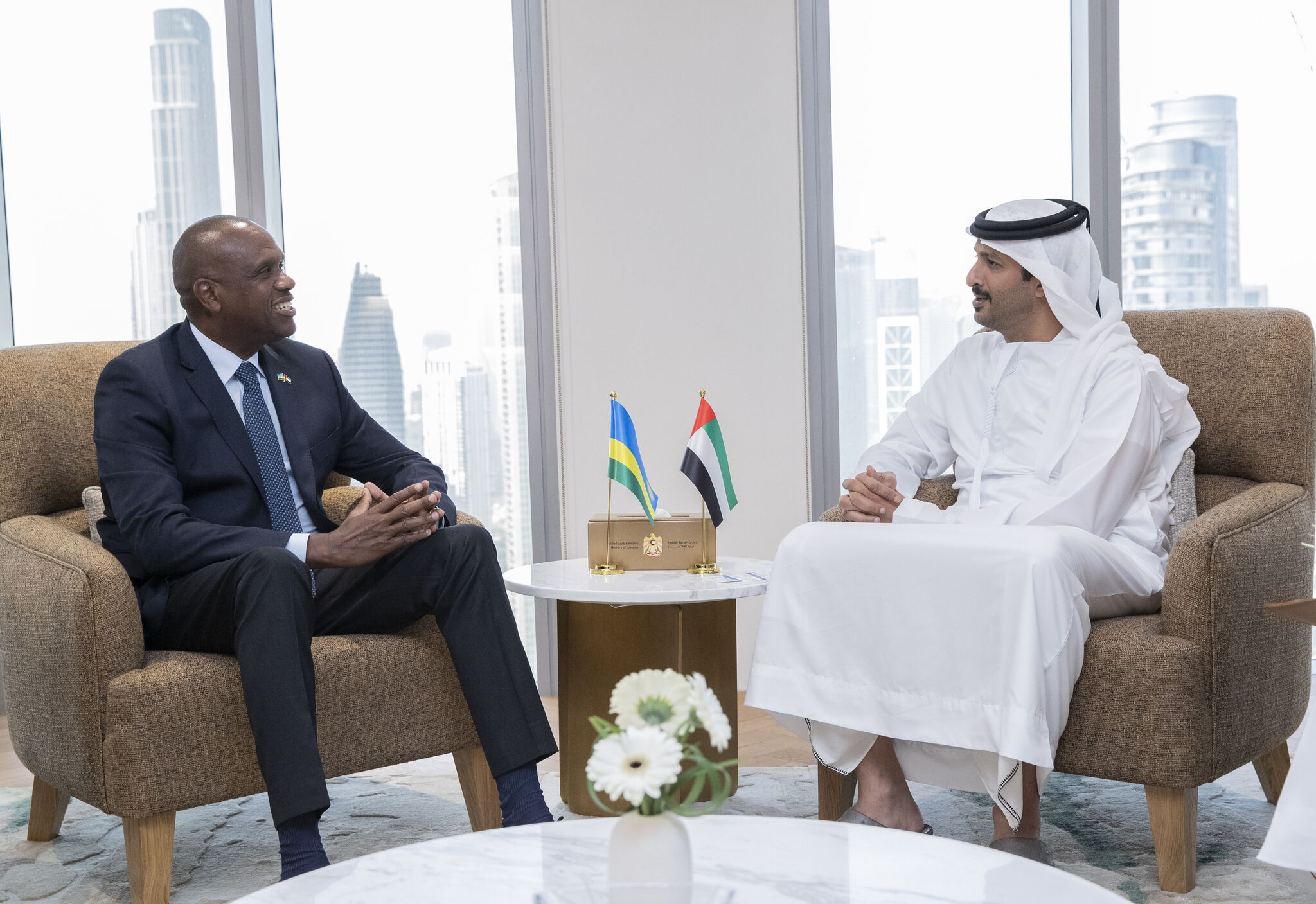
Ambassador John Mirenge meets with the UAE Minister of Economy
Rwanda’s exports to the United Arab Emirates surpass $1.5 billion
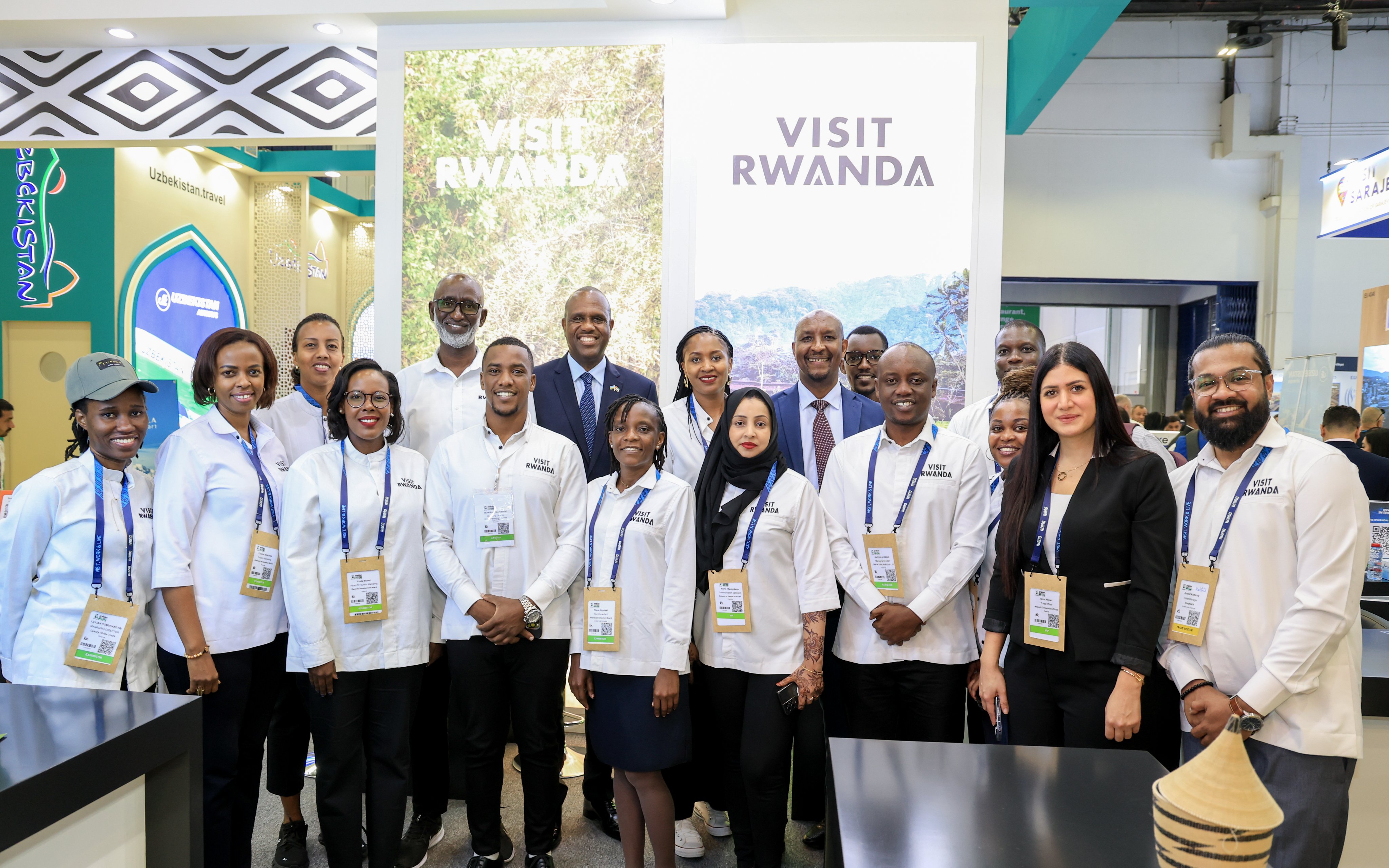
Rwanda Showcases Tourism and Investment Opportunities at Arabian Travel Market 2025 in Dubai