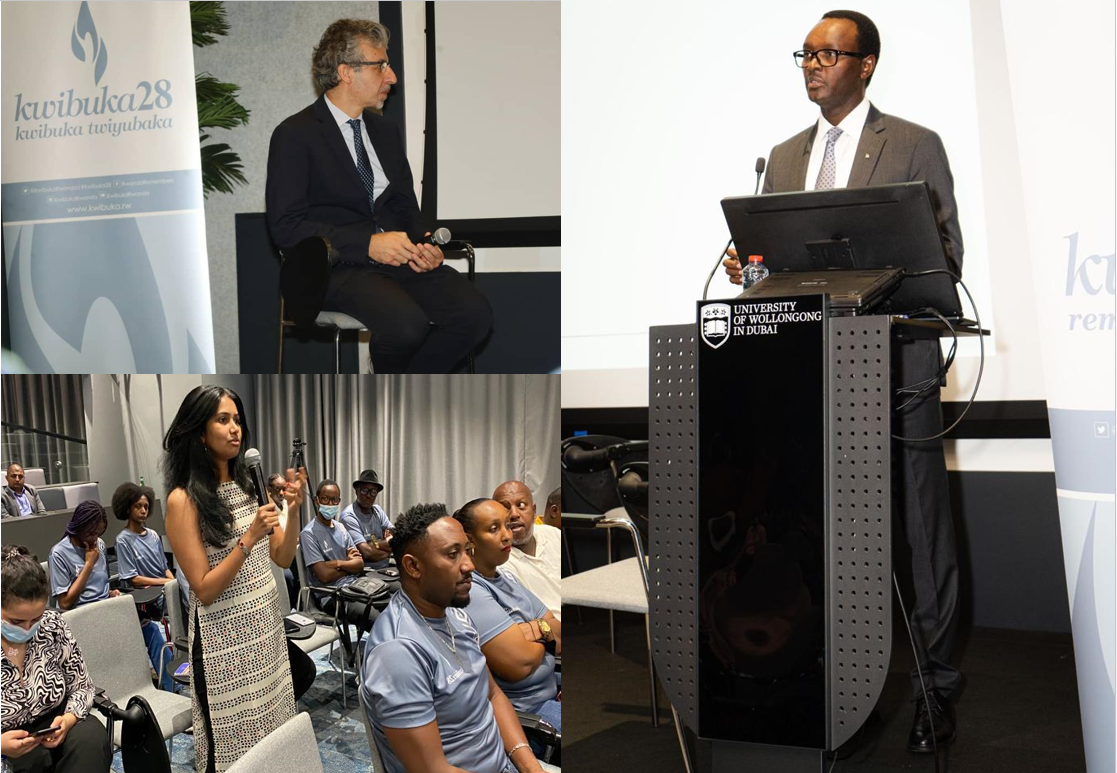
Wollongong University hosts Amb. Hategeka for a conversation on #Kwibuka28
On Monday, 23 May, Ambassador Emmanuel Hategeka had an interactive conversation with students and faculty at The University of Wollongong in Dubai’s School of Humanities, Social Sciences and Health on the 28th commemoration of the 1994 Genocide against Tutsi in Rwanda. The conversation was also attended by members of the Rwandan Community in Dubai-UAE. The Ambassador explained the genesis and the implementation of the 1994 Genocide against the Tutsi and Rwanda's rebirth.
Ambassador Hategeka told the audience that it is very important to remember the 1994 genocide against the Tutsi to pay respect to over 1 million victims, honour and learn from the resilience of genocide survivors and remind that the genocide against the Tutsi is a historical indelible fact. He added that the 28th commemoration of the 1994 Genocide against Tutsi is an occasion to reflect on Rwanda’s rebirth post 1994 and recommit to “our national transformation and sustainable development while sharing lessons learnt.”
Speaking on the genocide genesis, the Ambassador explained that the 1994 genocide against the Tutsi was neither an accident nor a coincidence. “It was the climax of a long extermination plan orchestrated against the Tutsi by two consecutive genocidal regimes building on the colonial divisionism legacy,” he said.
Asked about how Rwanda was able to rebuild itself, Ambassador Hategeka said that the first hurdle was to forge reconciliation and unity in a shattered social fabric, noting that survivors agreed to forgive and reconcile but not to forget. “Under the post genocide government everything was a priority but most importantly security. Rwanda's renaissance was enabled by three big choices: Unity, Accountability and Thinking Big. Efficiency and zero tolerance to corruption and home grown solutions allowed to attain great achievements using limited resources,” he noted.
On economic transformation, he pointed out that the GDP grew 14-fold between 1994 and 2019 while the GDP per capita increased seven-fold over the same period. The GDP has risen from $752 million in 1994 to $9.7 billion in 2020.
Responding to a question on benefits of advancing education about the 1994 genocide against the Tutsi, Ambassador Hategeka observed that students and teachers are current and future researchers and influencers, therefore it is essential that they know and understand the true history as we continue the fight against genocide denial.
The conversation on #Kwibuka28 was hosted by Associate Professor Dr. Feras Hamza, Head of School of Humanities, social sciences and Health and Dr. William Gueraiche, Program Director of the Master of International Relations at The University of Wollongong in Dubai.

Rwandans, Friends of Rwanda in UAE Mark Liberation Day
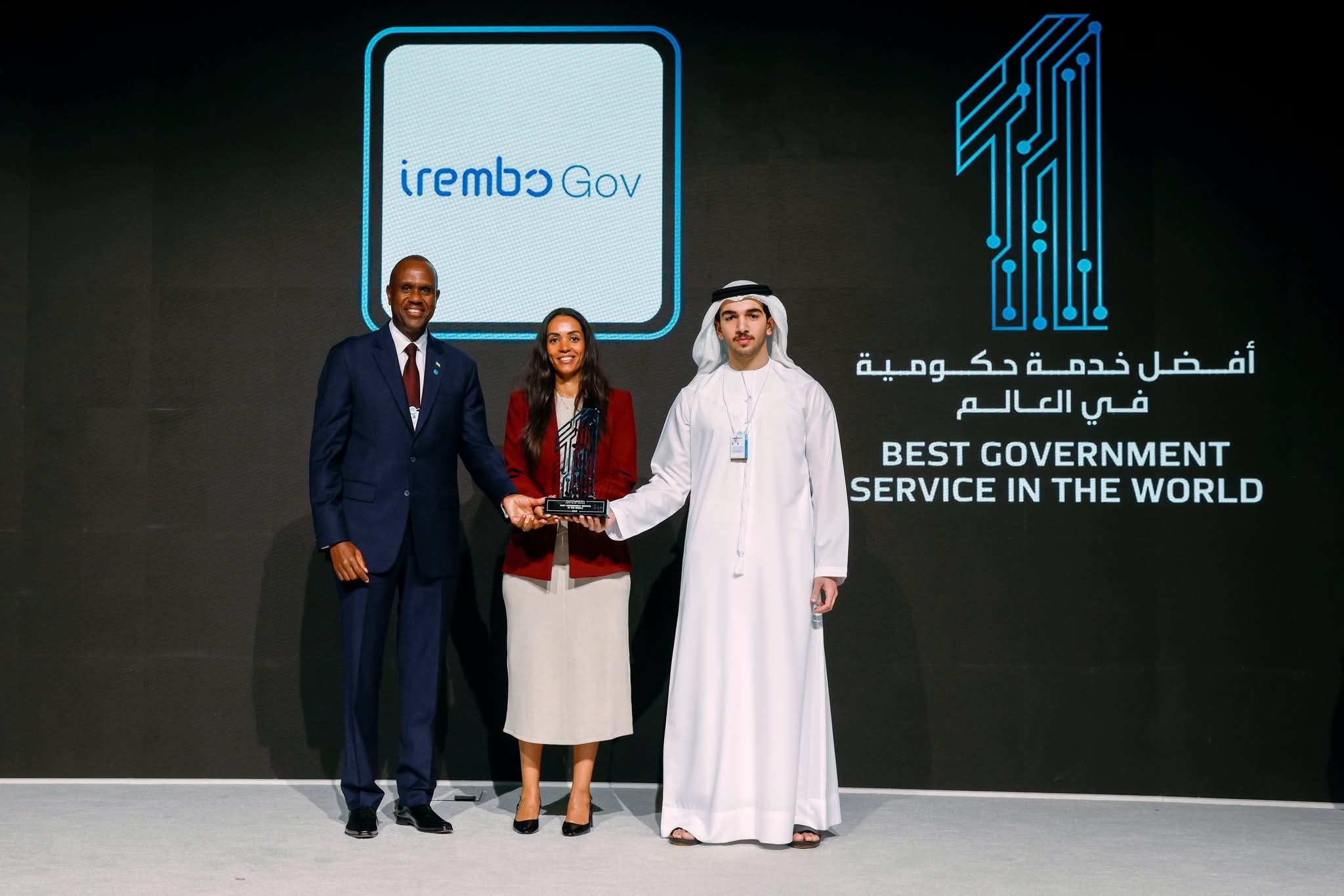
Rwanda Wins Best Government Service in the World Award in Dubai
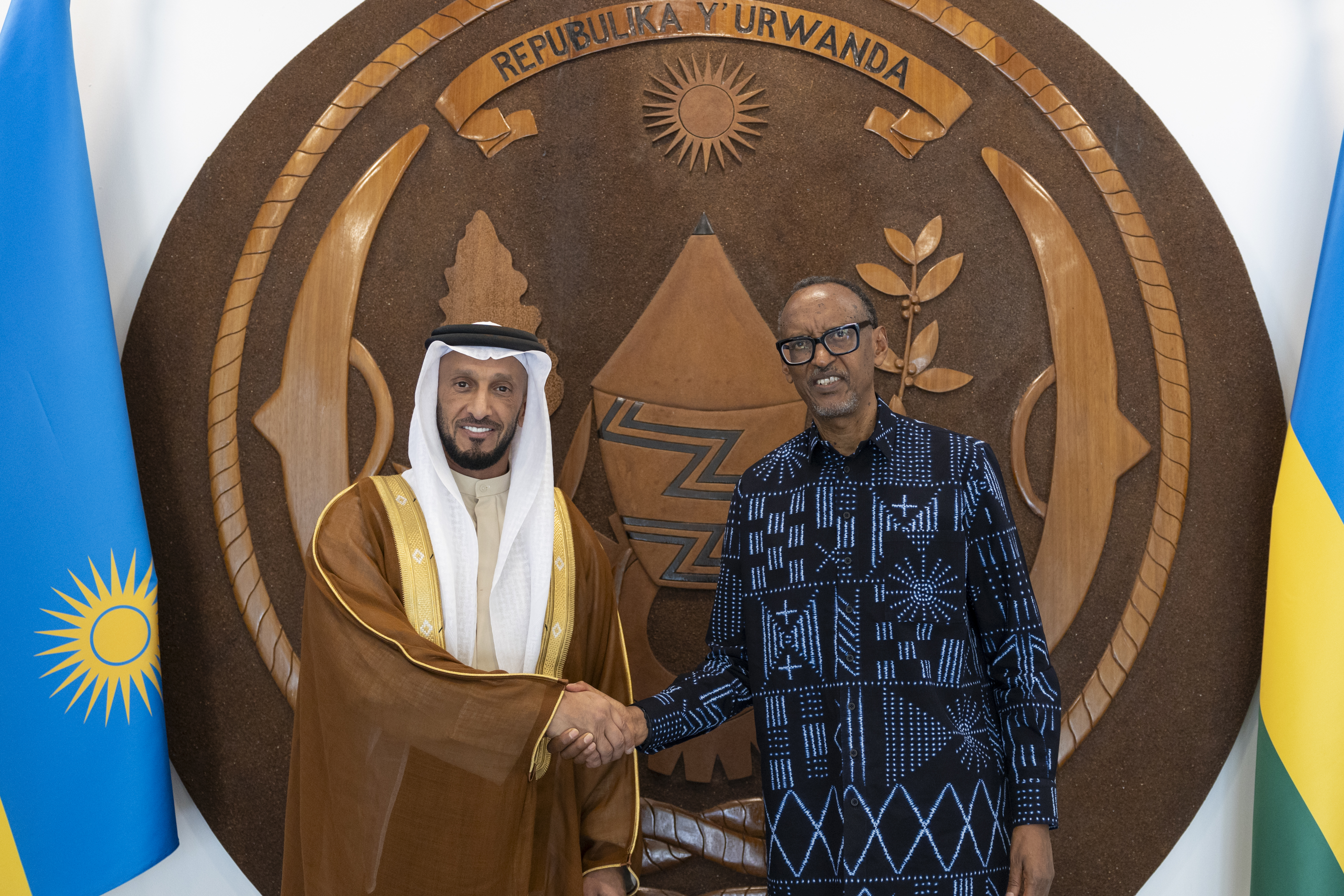
President Kagame receives Sheikh Abdulla Al Hamed
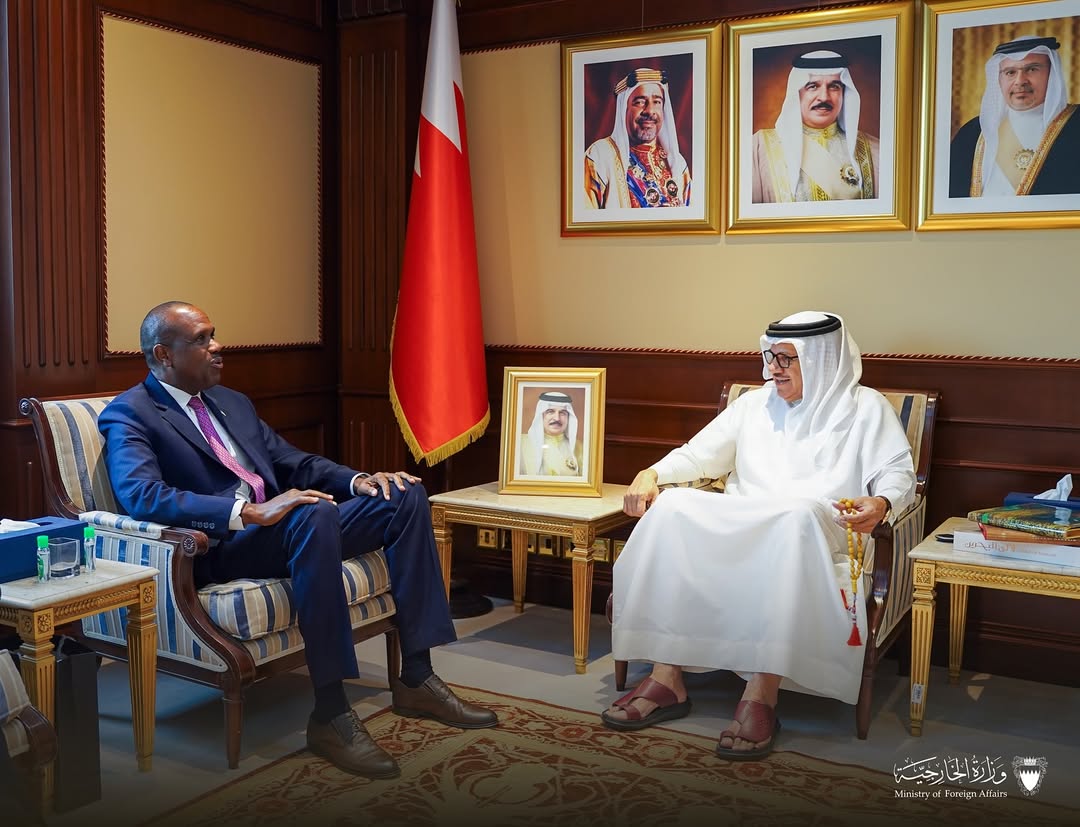
Ambassador Mirenge meets with Bahrain’s Foreign Minister
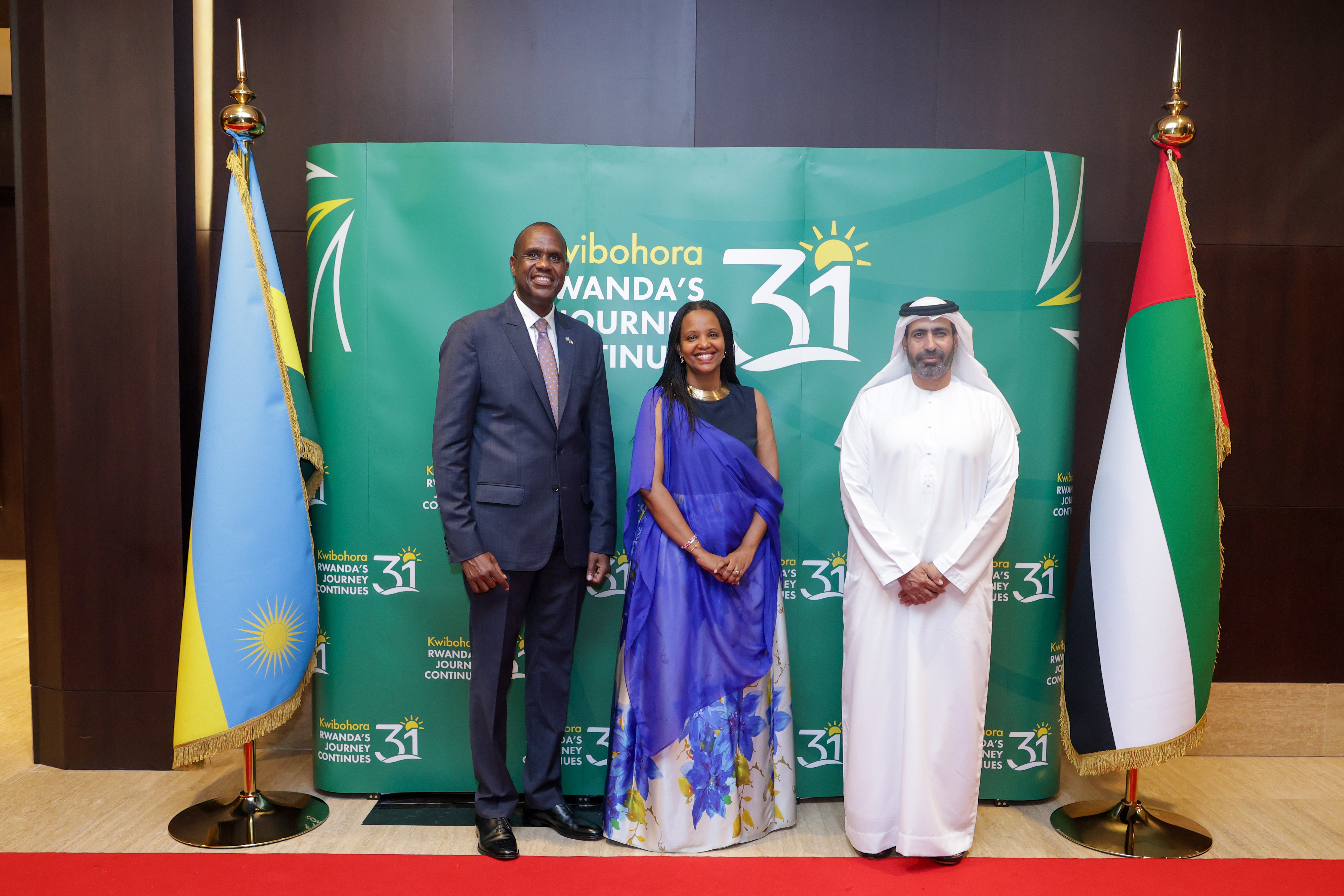
Rwandans, Friends of Rwanda in UAE celebrate Liberation Day
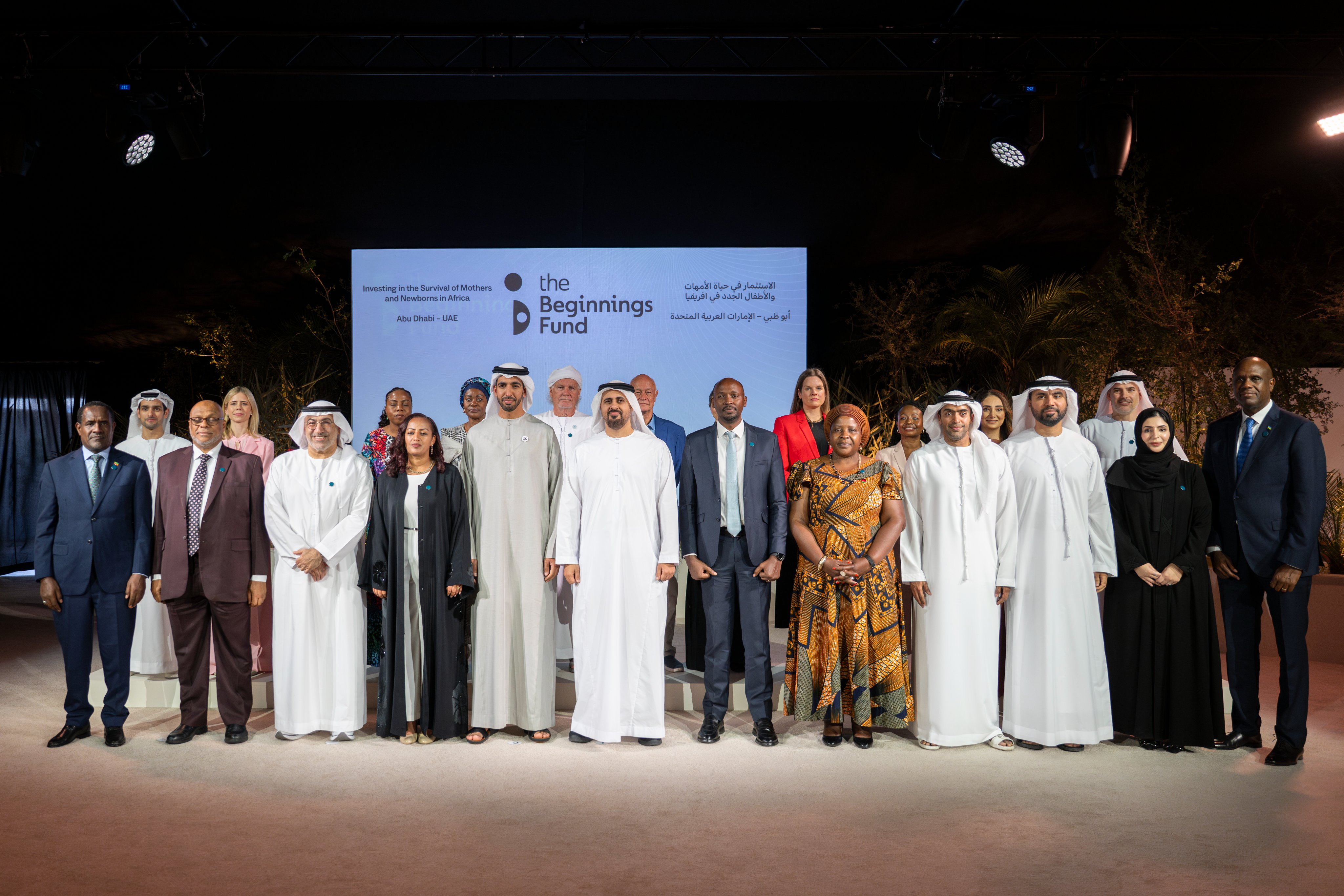
Rwanda to benefit from the Beginnings Fund launched in the UAE
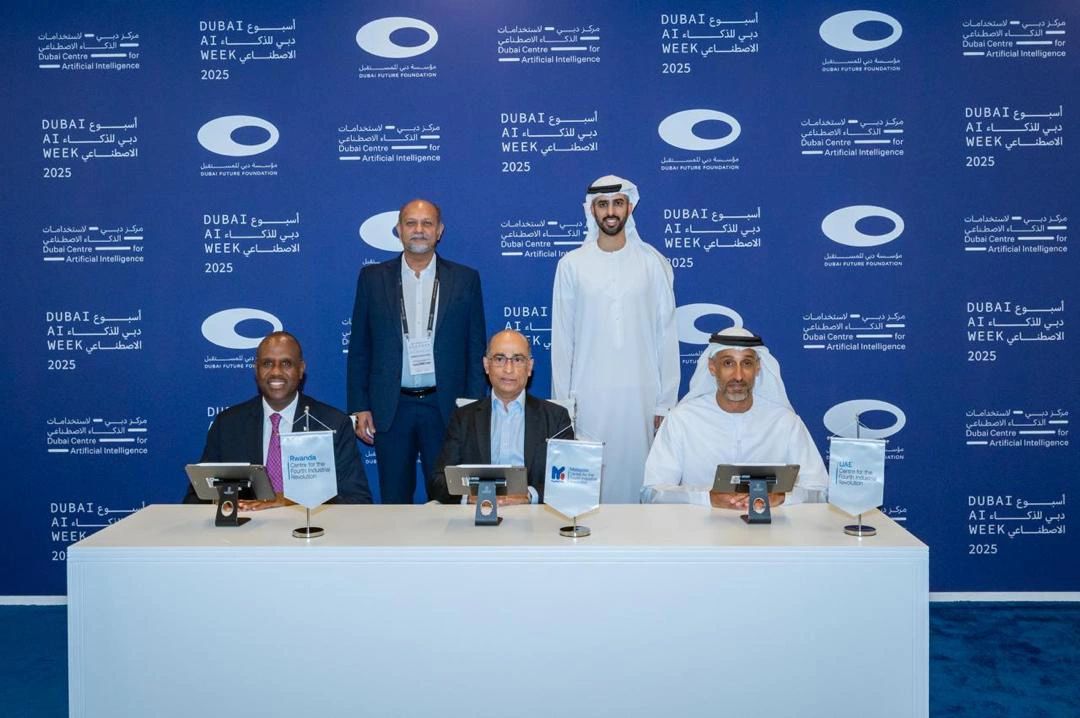
Rwanda, UAE and Malaysia Centres for the Fourth Industrial Revolution sign a tripartite MOU
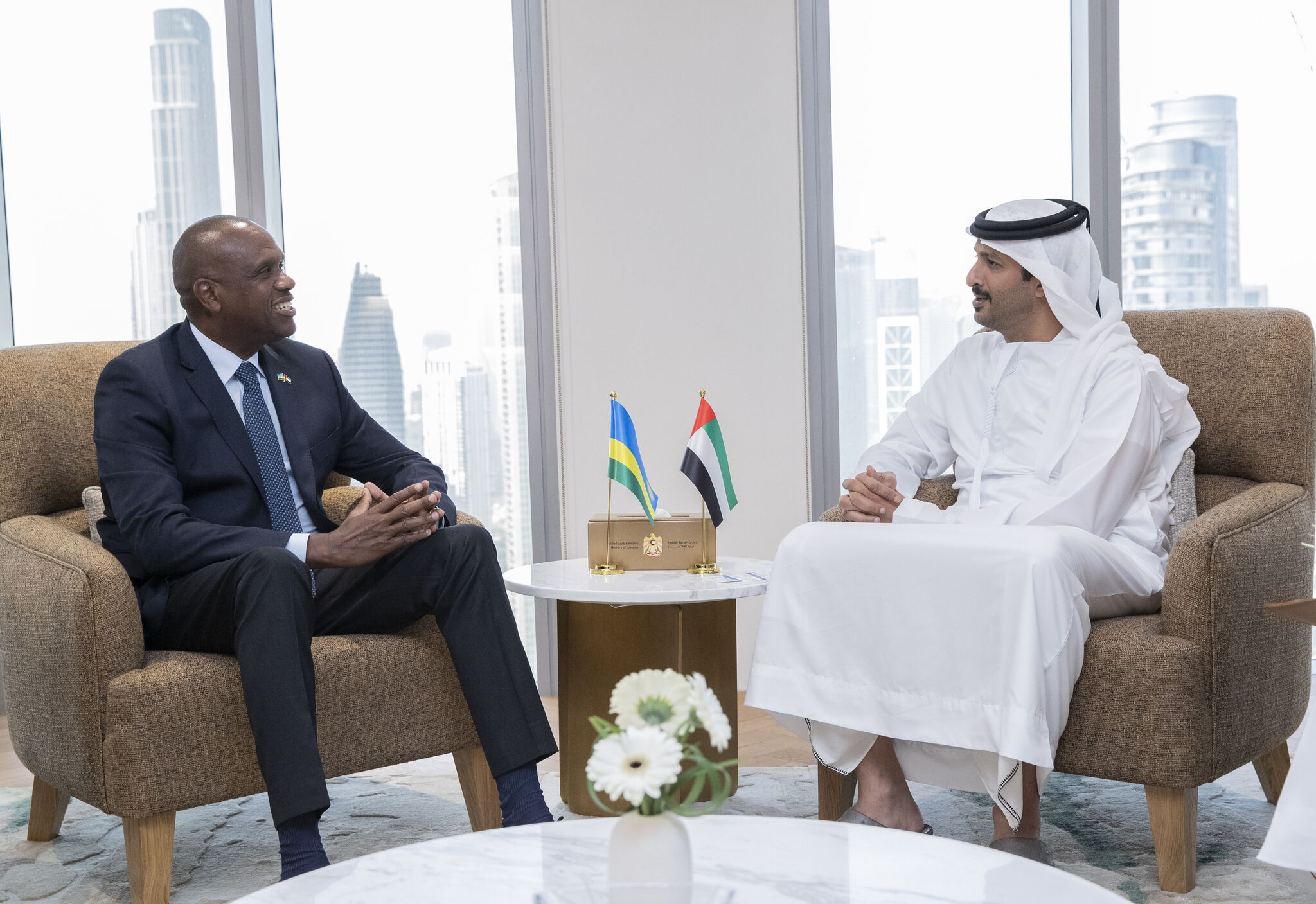
Ambassador John Mirenge meets with the UAE Minister of Economy